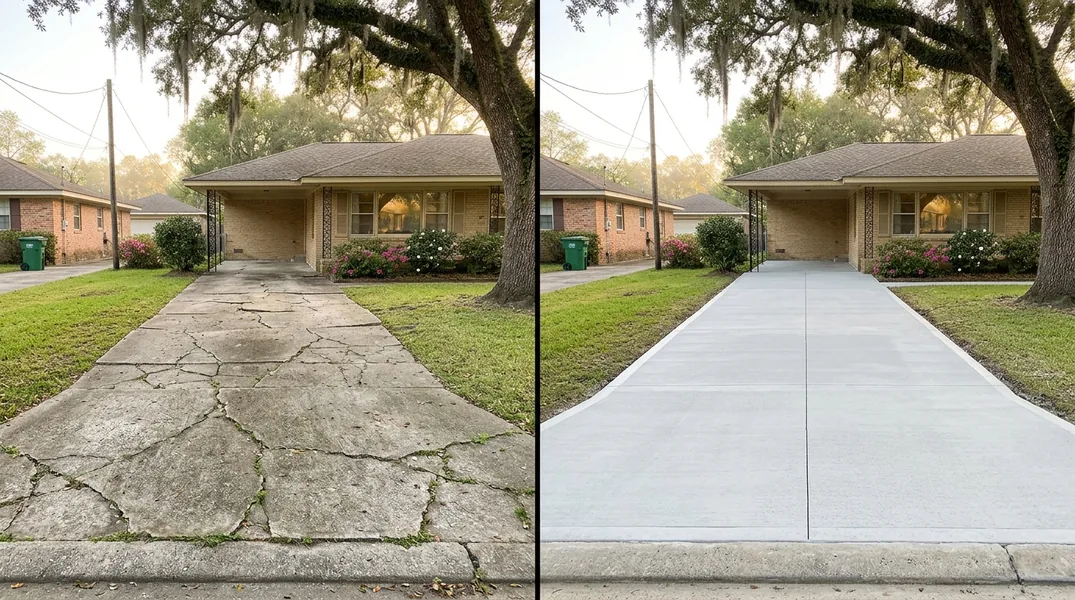
Why Timing Matters for Concrete Pouring in Louisiana
If you're planning a Concrete Driveways project in Lafayette, you might think that concrete can be poured any time of year. The reality is far more nuanced. Louisiana's subtropical climate presents unique challenges that directly affect how your concrete cures, hardens, and performs over time. Understanding when to pour concrete Louisiana conditions are optimal can mean the difference between a durable, long-lasting surface and one prone to cracking, scaling, or premature deterioration.
Temperature and humidity are the two biggest factors influencing concrete curing. Concrete doesn't just dry; it undergoes a chemical process called hydration that requires specific conditions to proceed properly. When temperatures are too cold, hydration slows dramatically. When they're too hot, the concrete can cure too quickly, trapping moisture inside and creating internal stresses. In Lafayette, where summers are scorching and winters are mild, getting the timing right is essential for any concrete contractor worth their salt.
Spring: The Ideal Concrete Pouring Season in Lafayette
Spring, roughly from March through May, is widely considered the best time to pour concrete in Lafayette. During these months, daytime temperatures typically range from 70 to 85 degrees Fahrenheit, which falls squarely in the ideal window for concrete curing. The weather is warm enough to promote proper hydration without the extreme heat that can cause rapid moisture loss and surface cracking. Spring also tends to bring moderate humidity levels and occasional rainfall, which can actually help keep freshly poured concrete moist during the critical early curing period.
Another advantage of spring pouring is that contractors in the area are often less booked than during peak summer months. This means you may have more flexibility in scheduling your project and potentially better availability from experienced professionals. If you're considering a Concrete Patios installation or a major driveway project, spring gives you the weather advantage and contractor availability. To discuss your spring project timeline, reach out to Lafayette Concrete at (337) 273-0928 for a free estimate.
Summer Heat: Challenges and Precautions for Concrete Curing
Summer in Louisiana is brutal, with temperatures regularly exceeding 90 degrees and sometimes climbing into the mid-90s. While you technically can pour concrete during summer, it requires extra precautions and expertise. The primary concern is that extreme heat accelerates the evaporation of water from the concrete surface, which can lead to rapid, uneven curing. This creates stress within the concrete matrix and often results in surface crazing (fine, spider-web-like cracks) or more serious structural issues. Additionally, high humidity levels common in summer slow the evaporation process on the surface while the interior continues to cure, creating an imbalance that weakens the final product.
If you absolutely must pour concrete during summer months in Lafayette, a professional concrete contractor will employ strategies such as misting the surface with water, applying curing compounds, using shade cloth, and adjusting the concrete mix design to account for heat. These measures add time and cost to your project. The concrete curing heat and humidity dynamics of Louisiana summers make spring and fall significantly more economical and reliable choices for most homeowners. If you're facing a summer deadline, it's crucial to consult with experienced professionals who understand local conditions.
Fall: A Secondary Window for Concrete Work
Fall, spanning September through November, offers a secondary ideal window for concrete pouring in Lafayette. As summer heat fades and temperatures moderate into the 70s and 80s, conditions become more favorable again. Early fall can still carry some summer humidity, but by mid-fall, moisture levels typically decrease, creating a more balanced environment for curing. The weather is generally more stable than spring, with fewer sudden temperature swings, which means more predictable curing behavior.
The main drawback to fall pouring is that you're working against the calendar. Once winter arrives, colder temperatures slow curing significantly, and any project started in late November may not fully cure until spring. For Stamped & Decorative Concrete work that requires finishing touches or sealing, fall deadlines can be tight. However, if you plan your project for September or early October in Lafayette, you'll enjoy many of the same advantages as spring pouring without competing for contractor availability during peak season.
Winter Considerations and Why Cold Weather Slows Progress
Winter in Lafayette rarely brings freezing temperatures, but when it does, concrete pouring becomes problematic. Temperatures below 50 degrees Fahrenheit significantly slow the hydration process. If temperatures drop below 40 degrees, concrete may not cure properly at all, and any freeze-thaw cycles can damage the surface before it's fully hardened. While Lafayette winters are generally mild compared to northern states, unexpected cold snaps can occur, and the risk simply isn't worth it for most residential projects.
Beyond temperature concerns, winter brings unpredictable rainfall and higher humidity levels, which can interfere with curing and finishing work. If you're considering Concrete Repair & Resurfacing or any new concrete installation, winter is best avoided unless absolutely necessary. The extended curing time means your project timeline stretches out, and you won't be able to use your new driveway or patio as quickly. Most professional contractors recommend scheduling winter projects only when there's no alternative, and even then, with careful planning and protective measures.
Planning Your Concrete Project: Tips for Lafayette Homeowners
The best approach to scheduling your concrete work is to plan ahead and aim for spring or early fall. Start by assessing your project needs and timeline at least two to three months before your ideal pouring window. This gives you time to get accurate pricing from local contractors, finalize designs, and secure your preferred contractor's availability. Lafayette Concrete serves the Lafayette area with expertise in local weather patterns and seasonal considerations, so consulting with professionals early in your planning process pays dividends.
When you contact a contractor, ask specifically about their experience with concrete pouring season Lafayette conditions and how they adjust their methods for different times of year. A reputable contractor will explain their curing protocols, protection measures, and realistic timelines based on when you're planning to pour. Don't hesitate to ask about contingency plans for unexpected weather. Whether you're in Lafayette, Broussard, Youngsville, or Scott, the principles remain the same. Call Lafayette Concrete at (337) 273-0928 or request a free estimate to discuss your project timeline and get expert guidance tailored to your specific needs and season.
Looking for a professional concrete contractor in Lafayette? Lafayette Concrete responds fast for all your concrete needs.
Get a Free QuoteOur services: Concrete Driveways · Concrete Patios · Stamped & Decorative Concrete